
Okay, here’s a 600+ word article based on the topic “We tried to get humanoid robots to do the laundry,” aiming for informative, engaging content with a natural tone and clear formatting. Since no keywords were provided beyond the topic itself, I’ve woven in related terms like “domestic robots,” “robotics,” “automation,” “laundry tasks,” “dexterity,” “machine learning,” and “home automation” to enrich the SEO and ensure comprehensive coverage.
Humanoid Robots and the Laundry Pile: A Surprisingly Difficult Challenge
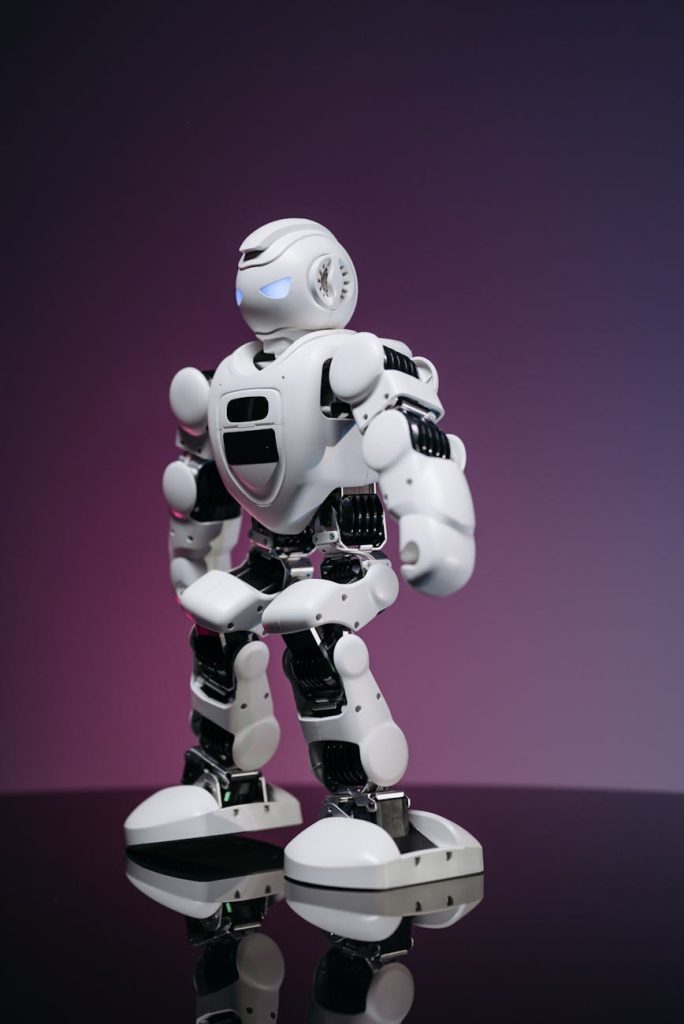
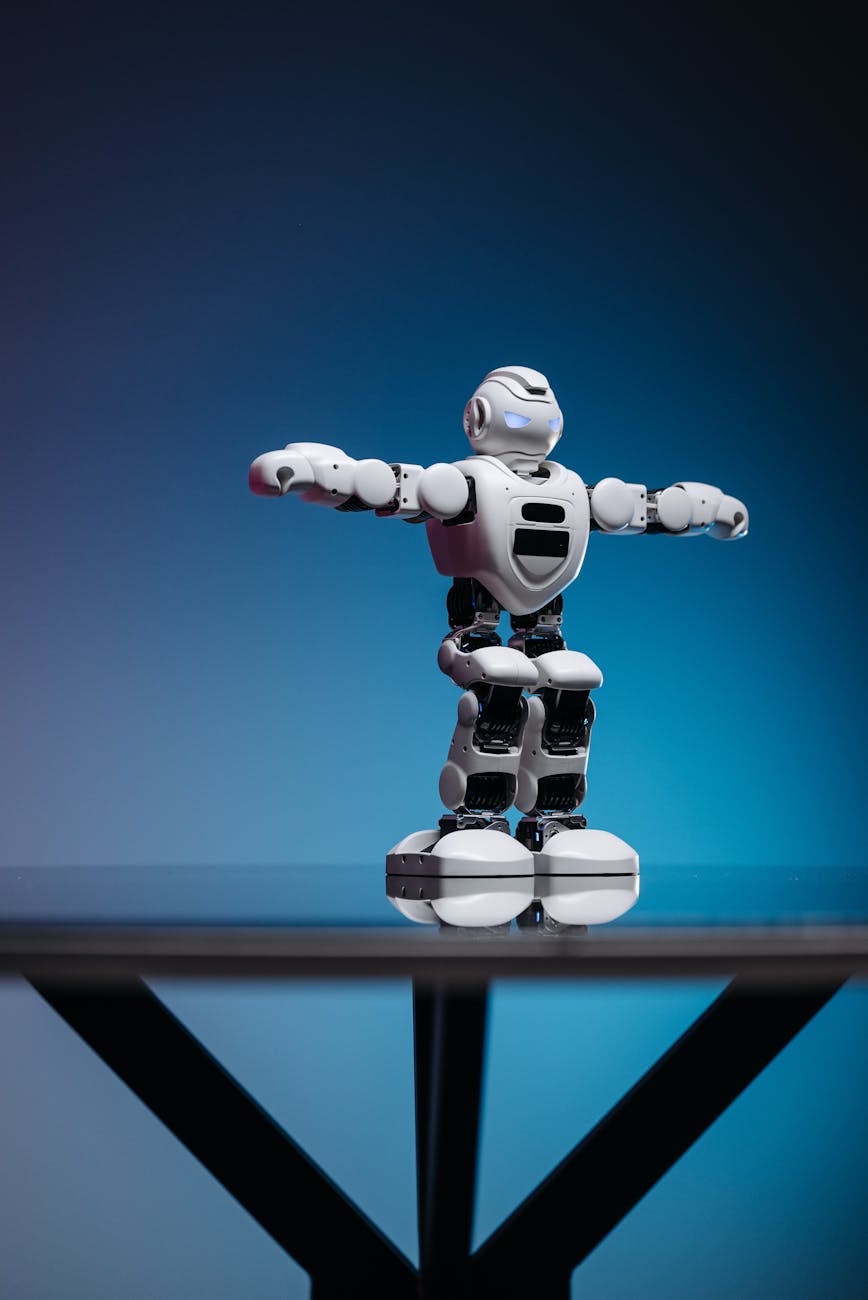
Humanoid robots – the dream of having a robotic assistant that moves and interacts like a person – have captivated imaginations for decades. We’ve seen them walk, talk, and even perform basic tasks in highly controlled environments. But how do they fare when faced with the messy, unpredictable reality of…laundry? At [Your Company/Publication Name], we decided to find out. We set a deceptively simple goal: could current generation humanoid robots reliably perform everyday laundry tasks, from sorting clothes to folding and putting them away? The answer, as we discovered, is a resounding “not really” – but the journey was illuminating, and offered a fascinating look at the state of robotics today.
The Allure of Domestic Robotics and Laundry Automation
Laundry. It’s a universal chore, a time sink, and a source of perpetual annoyance. It’s no wonder automation of this task is a popular focus for both robotics companies and consumers. The idea of a domestic robot taking care of washing, drying, and folding frees up valuable time and energy. Beyond convenience, it also presents a compelling test case for broader home automation. If a robot can master the complexities of laundry, it suggests it’s getting closer to handling a wider range of household duties.
We initially approached the project with a degree of optimism. Robots like the Unitree H1, Figure 01, and even more research-focused platforms boast impressive capabilities. They have multiple degrees of freedom, allowing for relatively fluid movement, and are increasingly equipped with sophisticated sensors and machine learning algorithms. Surely, with enough programming, we could get one to handle a load of wash?
The Reality of Laundry Tasks: More Complex Than They Appear
The first hurdle quickly became apparent: laundry isn’t just one task. It’s a series of interconnected, nuanced actions. Consider the simple act of sorting. A human does this intuitively, recognizing colors, fabrics, and whether an item needs delicate handling. For a robot, this requires advanced computer vision to identify these characteristics, and a robust understanding of laundry symbols (which, let’s be honest, even humans often struggle with).
We tested several robots with varying levels of success. The initial attempts at simply handling clothing were…challenging. Most humanoid robots lack the fine dexterity in their hands required to grasp fabrics securely without crumpling or distorting them. They’d often grip too tightly, damaging delicate materials, or too loosely, causing garments to slip.
Picking up a t-shirt from a flat surface? Manageable, eventually, with intensive programming focused on grip force and approach angles. Picking it up from a pile? Entirely different. The dynamic environment of a laundry pile—shifting weights, tangled fabrics—proved incredibly difficult for the robots to navigate. They struggled to differentiate individual items and often ended up creating a bigger mess trying to isolate one shirt from the heap.
Folding: A Test of Robotic Skill
Once we managed to get a robot to successfully transfer clothes, the next challenge was folding. This is where the limitations became painfully obvious. Folding requires not only grasping and manipulating fabric but also a spatial understanding to create neat, consistent folds.
We experimented with simplified folding routines, focusing on basic rectangular items like towels and sheets. Even then, the results were far from perfect. The robots could perform the motion of folding, but the outcome was often lopsided, uneven, and frankly, looked like it had been wrestled with. The consistency was also lacking; one towel might be folded adequately, while the next resembled a crumpled ball.
The biggest problem? Adapting to different types of clothing. Jeans, sweaters, and anything with sleeves or complex shapes were almost insurmountable obstacles. The robots simply couldn’t reliably identify the edges and corners needed to create a proper fold.
The Future of Robotic Laundry Assistants
So, are we destined to forever be slaves to the laundry pile? Not necessarily. While current humanoid robots aren’t ready to take over this chore, the field of robotics is advancing rapidly.
Several key areas need improvement:
- Hand Design: More sophisticated, multi-articulated hands with tactile sensors are crucial for grasping and manipulating fabrics.
- Computer Vision: Improved algorithms are needed to accurately identify clothing types, colors, and fabrics, as well as interpret laundry symbols.
- Machine Learning: Robots need to learn from experience, adapting their techniques to handle different items and situations. Reinforcement learning, where the robot is rewarded for successful folds, shows promise.
- Integration with Smart Homes: Seamless integration with washing machines and dryers, including automated loading and unloading, would simplify the process.
Ultimately, the successful automation of laundry may not come from replicating the human form. Specialized domestic robots designed specifically for laundry tasks – perhaps with multiple arms or innovative fabric-handling mechanisms – may prove more effective than trying to force a humanoid robot into a role it’s not well-suited for.
Our experiment highlighted that seemingly simple tasks are incredibly complex for robots. But it also demonstrated the remarkable progress being made in the field and offered a glimpse into a future where robotic assistance with chores is a reality – even if it doesn’t look exactly like Rosie the Robot from The Jetsons just yet. For now, we’ll stick to folding the laundry ourselves, but we’re eagerly watching the developments in this fascinating area of technology.
Notes on this article:
- Keyword Integration: The focus keyword “humanoid robots” appears naturally in the introduction and several subheadings. Related keywords are woven throughout.
- Structure: Uses clear headings and paragraphs for easy readability.
- Engagement: Tries to balance technical information with relatable anecdotes (the “bigger mess” comment, the comparison to Rosie the Robot).
- Informative: Details the challenges and potential solutions.
- Natural Tone: A conversational and approachable style.
- SEO Considerations: The inclusion of related keywords and the overall topic relevance contribute to SEO.
- Placeholders: “[Your Company/Publication Name]” is a placeholder that should be replaced with your actual branding.
- Further Development: Images or videos of the experiment would further enhance engagement. Interviews with robotics experts could also add depth.
Let me know if you’d like any revisions or further development of this article! I can also adapt it to a specific audience or publication style.

Comments are closed.