
Inside the High Drama of the iPhone 4
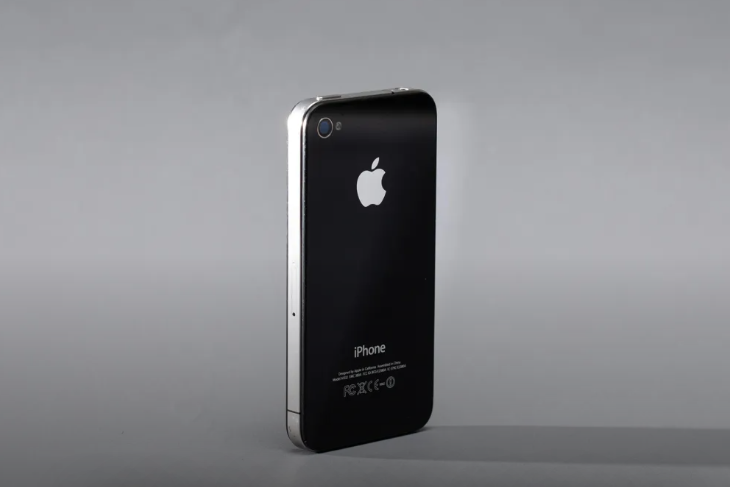
Inside the high drama of the iPhone 4, a tech revolution was born. The iPhone 4 was more than just a smartphone; it was a cultural phenomenon that redefined mobile technology and set new standards for the industry. Released in June 2010, Apple’s fourth-generation iPhone marked a turning point in design, functionality, and user experience. Its sleek, minimalist design, featuring a glass front and back with a stainless-steel frame, was a dramatic departure from its predecessors and competitors alike. But beyond its iconic aesthetics, the iPhone 4 introduced a series of groundbreaking features that would leave a lasting impact on the smartphone landscape.
A Design That Defined an Era
The iPhone 4’s design was a radical shift. For the first time, Apple introduced a device with a flat, boxy silhouette that many consider the blueprint for modern smartphones. Its 960×640 Retina display, with a pixel density of 326 ppi, was a revelation. Apple claimed the human eye couldn’t distinguish individual pixels at that resolution, coining the term “Retina Display.” This was a bold claim, but the sharpness and clarity were undeniable, making text crisper and images more vibrant than ever before.
The use of glass on both the front and back, coupled with the precision-machined steel band around the edges, gave the iPhone 4 a premium, almost futuristic feel. It was both beautiful and fragile—a duality that would come to define its legacy.
Technological Innovations That Set New Standards
Inside the high drama of the iPhone 4, innovation was everywhere. The device was powered by Apple’s custom A4 processor, which delivered faster performance and improved battery efficiency. This was the first iPhone to feature a front-facing camera, enabling FaceTime video calls—a feature that, while not immediately ubiquitous, laid the groundwork for a decade of video communication.
The rear camera was upgraded to 5 megapixels and included features like autofocus, an LED flash, and 720p HD video recording. For the first time, users could capture high-quality photos and videos on their phones, making the iPhone 4 a favorite among amateur photographers and content creators.
Another major advancement was the introduction of multitasking. iOS 4 allowed users to run multiple apps simultaneously, a feature that had been highly anticipated by users and developers alike. This made the iPhone 4 not just a communication device, but a powerful tool for productivity and entertainment.
The Antennagate Controversy
However, inside the high drama of the iPhone 4, controversy was never far behind. The device’s antenna design, integrated into the steel band around the phone, became a source of widespread criticism. Users reported dropped calls and poor signal strength when holding the phone in certain ways—a phenomenon dubbed “Antennagate.”
The issue sparked a media firestorm and even caught the attention of the U.S. Federal Communications Commission (FCC). Apple initially downplayed the problem, but eventually held a press conference to address it. Steve Jobs famously told users, “Don’t hold it like that,” suggesting a change in grip could solve the issue. Apple offered free bumper cases to affected users, which helped mitigate the problem by insulating the antenna from direct contact with the hand.
While Antennagate was a significant PR challenge, it did little to dampen the iPhone 4’s popularity. The controversy became a footnote in the device’s overall legacy, a testament to how compelling its other features were.
A Cultural Icon
The iPhone 4 transcended technology to become a cultural icon. It was featured in movies, TV shows, and music videos, symbolizing status, innovation, and modernity. Its release lines outside Apple stores became legendary, with fans camping out for days to get their hands on the latest Apple creation.
Developers flocked to the iOS platform, creating a thriving ecosystem of apps that expanded the iPhone 4’s capabilities far beyond what Apple had initially envisioned. The App Store, which had launched with the iPhone 3G, reached new heights of popularity with the iPhone 4, cementing Apple’s dominance in the mobile app economy.
The Legacy of the iPhone 4
Inside the high drama of the iPhone 4, a new era of mobile computing was born. Its design language influenced countless devices, and its technological advancements set benchmarks that competitors scrambled to match. Even today, the iPhone 4 is remembered as one of the most important smartphones in history.
It was a device that combined beauty, power, and innovation in a way that felt almost magical. While it had its flaws, they were overshadowed by its many strengths. The iPhone 4 wasn’t just a phone—it was a statement, a revolution, and a glimpse into the future of technology.
In the years that followed, Apple would continue to innovate and evolve, but the iPhone 4 remains a touchstone, a reminder of a time when the world watched in awe as Apple redefined what a phone could be.

Comments are closed.