
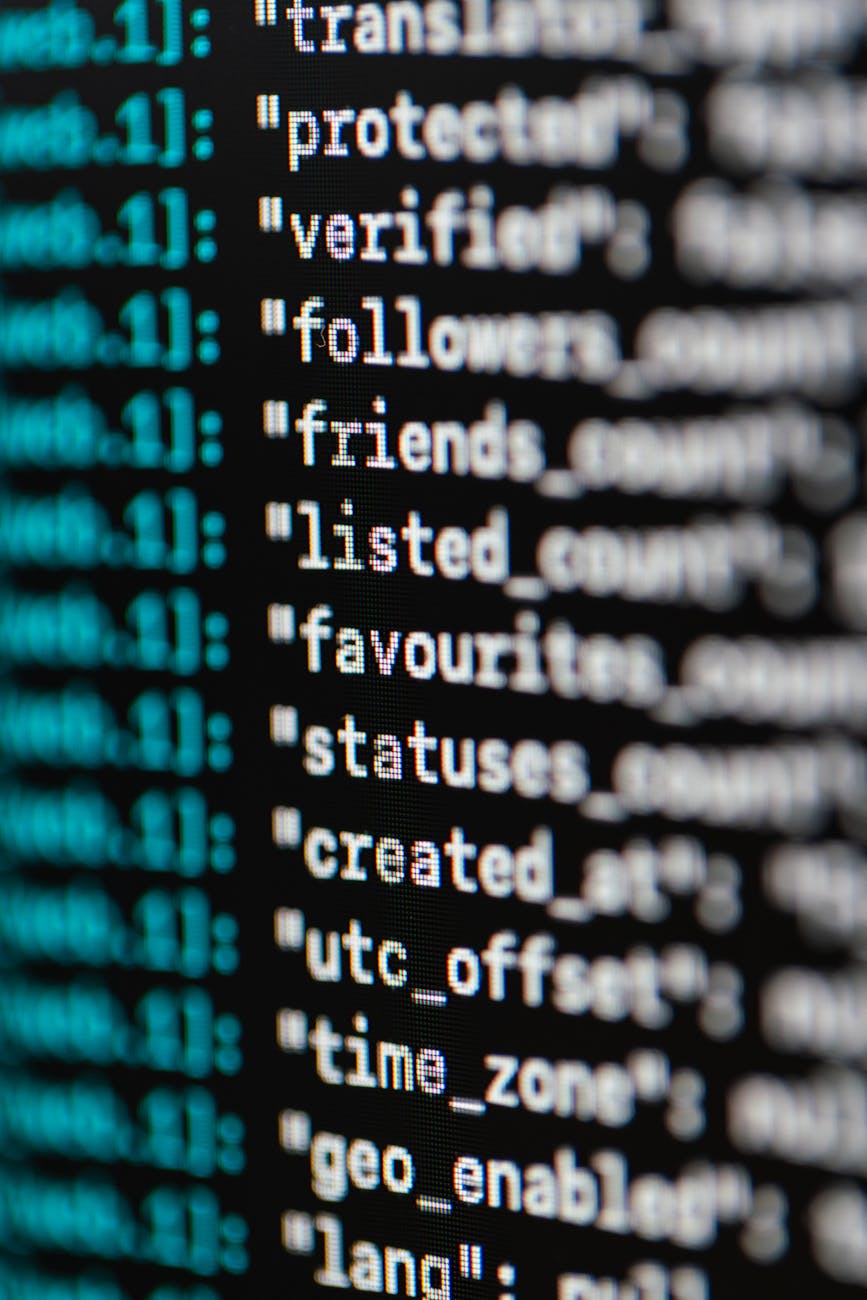
Musk says he’s going to open-source the new X algorithm next week, sparking significant interest among tech enthusiasts, developers, and social media users alike. The announcement comes as part of his broader vision to enhance transparency and trust in the platform’s operations. Open-sourcing an algorithm is a bold move, especially for a platform like X (formerly Twitter), which has faced criticism over its content moderation practices, algorithm biases, and how it prioritizes or suppresses posts. By exploring this topic, we can better understand the implications of such a decision and what it might mean for the future of social media platforms.
What Does Open-Sourcing an Algorithm Mean?
Open-sourcing an algorithm involves making its code publicly available for anyone to view, analyze, and even modify. This approach promotes transparency, allowing users and developers to understand how the platform operates behind the scenes. For X, this could mean shedding light on how posts are ranked, recommended, or filtered. It also enables external scrutiny, which can help identify and address potential biases or flaws in the system. However, open-sourcing is not without challenges—it could expose the platform to security risks, such as exploitation by bad actors looking to manipulate the system.
The Motivation Behind the Decision
Elon Musk has repeatedly emphasized the need for greater user trust in X’s operations. Since acquiring the platform, he has implemented several controversial changes, including layoffs, monetization strategies like paid verification, and adjustments to how content is displayed. Critics argue these moves have eroded user confidence. By open-sourcing the algorithm, Musk may aim to rebuild credibility and position X as a more accountable platform. This move aligns with his broader advocacy for free speech and decentralization in technology.
Potential Benefits of Open-Sourcing the Algorithm
One of the most significant advantages of open-sourcing the X algorithm is the potential for innovation. Developers worldwide could contribute to improving the platform by identifying inefficiencies, suggesting enhancements, or even creating custom versions of the algorithm that better suit specific user needs. This collaborative approach could make X more adaptable and responsive to diverse user bases. Additionally, it might address long-standing concerns about content moderation fairness by allowing third parties to verify whether the algorithm is truly neutral or if it favors certain types of content.
For instance, researchers and activists have often accused social media platforms of amplifying divisive or misleading content to drive engagement. With the algorithm open to public review, such claims could be independently tested, fostering a more data-driven conversation about the platform’s role in shaping public discourse.
Challenges and Risks of Open-Sourcing
While the idea of open-sourcing the algorithm is appealing, it is not without risks. One major concern is security vulnerabilities. An open algorithm could be exploited by malicious actors to game the system, promote spam, or spread harmful content more effectively. Furthermore, competitors might use the openly available code to replicate or improve upon X’s features, potentially diluting its competitive edge.
Another challenge lies in user interpretation. Algorithms can be highly complex, and not all users will have the technical expertise to understand them fully. This could lead to misunderstandings or misinterpretations of how the platform works, causing further confusion rather than clarity. Additionally, some argue that open-sourcing alone does not guarantee fairness—it merely shifts the responsibility of auditing to the community, which may not always have the resources or incentives to do so effectively.
What This Means for the Future of Social Media
If Musk follows through on his promise, it could set a precedent for other platforms to consider similar moves. Open-sourcing algorithms might become a new standard for accountability in the tech industry, particularly as regulatory pressure increases around the world. Governments and advocacy groups are already pushing for greater oversight of how platforms handle content, advertising, and user data. By taking this step, X could position itself as a leader in ethical tech practices, even if the execution is imperfect.
Moreover, this decision might encourage users to demand more transparency from other platforms like Facebook, Instagram, and TikTok. If the open-source initiative gains traction, it could reshape how we think about the power dynamics between platforms and their users. Instead of being passive consumers of algorithmic decisions, users could play a more active role in shaping how these systems function.
The Skeptic’s Viewpoint
Despite the potential benefits, some are skeptical about Musk’s motives. Critics suggest this announcement might be a strategic move to divert attention from other controversies surrounding X, such as declining ad revenue, user dissatisfaction, or the platform’s ongoing struggles to retain advertisers. Others wonder whether the open-source promise will materialize as described or if it will be a limited, symbolic gesture rather than a full commitment to transparency.
Conclusion
The decision to open-source the new X algorithm is a significant development with far-reaching implications. While it has the potential to foster trust, innovation, and collaborative improvement, it also brings challenges related to security, interpretability, and execution. Whether this move will truly enhance user empowerment or simply serve as a PR strategy remains to be seen. However, one thing is clear: the tech world will be watching closely as X takes this next step in its evolution. By focusing on transparency, Musk might not only reshape his platform but also influence the broader conversation about the role of algorithms in our digital lives.

Comments are closed.