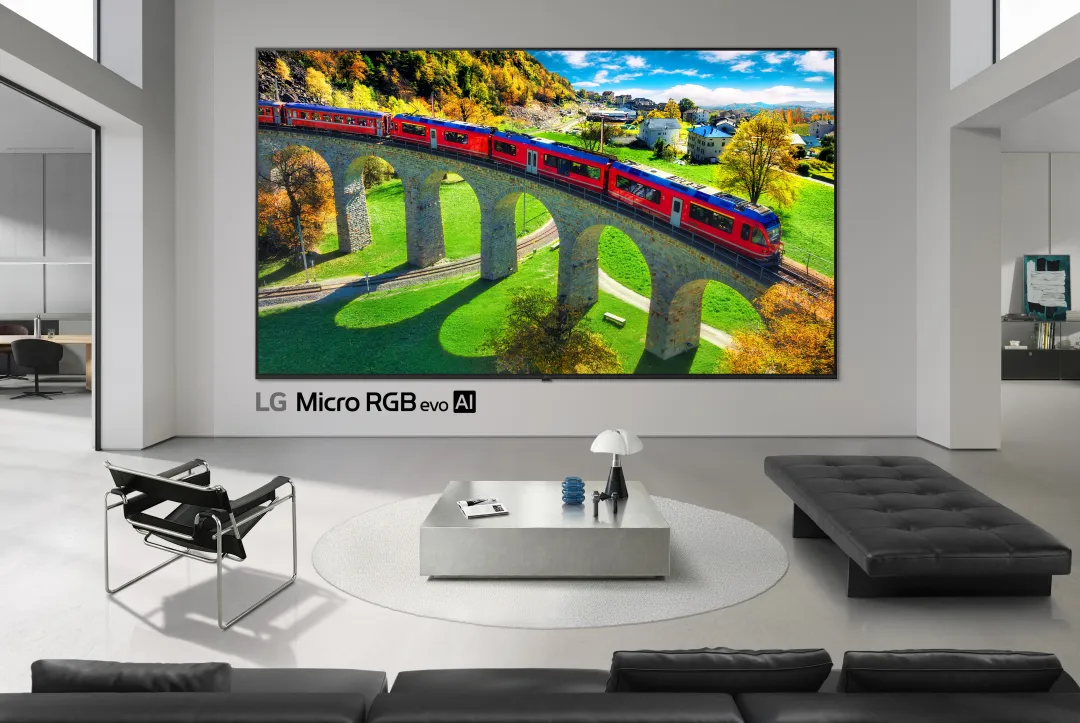

LG’s 2026 Micro RGB evo TV: Exclusive, Stunning Innovation
LG Will Enter the RGB LED Market with the Micro RGB evo TV in 2026
LG is making a bold move into the RGB LED market, confirming plans to launch the Micro RGB evo TV in 2026. This announcement positions the South Korean electronics giant as a direct competitor to Samsung, which has dominated the high-end LED display segment with its The Wall product line for several years. LG’s entry is expected to bring fresh innovation and competition to a market that has seen limited options for consumers seeking premium, modular LED home displays.
A New Chapter in Display Technology
The Micro RGB evo TV represents LG’s latest advancement in self-emissive display technology. Unlike traditional LED TVs that rely on a backlight system, RGB LED displays use individual red, green, and blue micro-LEDs that emit their own light. This technology allows for deeper blacks, more vibrant colors, and superior brightness levels compared to even the best OLED panels currently available.
LG’s approach with the Micro RGB evo technology focuses on achieving what the company describes as “perfect blacks and infinite contrast” while maintaining the wide viewing angles and fast response times that have made LG’s OLED TVs popular among videophiles and gamers alike. The modular design means these TVs can be scaled to various sizes, making them suitable for everything from large home theaters to commercial installations.
Breaking Away from Traditional Manufacturing
One of the most significant aspects of LG’s RGB LED strategy is its departure from traditional display manufacturing partnerships. The company has established a dedicated production line at its Paju facility in South Korea, signaling a commitment to vertical integration and quality control. By bringing manufacturing in-house, LG aims to address some of the yield and consistency challenges that have historically plagued RGB LED technology.
This move also allows LG to develop proprietary manufacturing processes that could give it a competitive edge. Industry analysts suggest that LG’s experience with OLED production, particularly in handling delicate organic materials and precise pixel placement, will translate well to the demands of RGB LED manufacturing.
Targeting the Premium Market Segment
The Micro RGB evo TV is clearly aimed at the luxury end of the television market. With price points expected to start well above $50,000 for smaller configurations and extending into six-figure territory for larger installations, this product is not intended for the average consumer. Instead, LG is targeting affluent customers, high-end home theater integrators, and commercial applications where budget is secondary to performance and impact.
What sets the Micro RGB evo apart in this premium segment is LG’s promise of seamless integration and simplified installation. Unlike earlier modular LED systems that required professional calibration and complex setup procedures, LG is designing the Micro RGB evo TV to be more user-friendly while maintaining professional-grade performance.
The Competitive Landscape
Samsung’s The Wall has enjoyed a relatively uncontested reign in the consumer RGB LED market since its introduction. These displays have become status symbols in luxury homes, known for their massive sizes and stunning visual quality. LG’s entry will force Samsung to defend its position and likely accelerate innovation across the entire category.
Sony has also been active in this space with its Crystal LED displays, though these have traditionally been positioned more for commercial and professional applications rather than consumer homes. With LG’s focus on consumer-friendly design and installation, the market is poised for significant growth as these premium products become more accessible to high-end residential customers.
Challenges and Opportunities
Despite the impressive specifications and LG’s manufacturing capabilities, several challenges remain. RGB LED technology is inherently more expensive to produce than traditional LCD or OLED panels, and yield rates can significantly impact final pricing and availability. Additionally, the market for six-figure televisions remains relatively small, though it has been growing steadily as consumers increasingly prioritize home entertainment experiences.
However, LG’s timing appears strategic. The company has spent years building its reputation for premium OLED technology, and consumers who have experienced LG’s OLED TVs may be more receptive to upgrading to RGB LED when the Micro RGB evo launches. Furthermore, LG’s strong relationships with high-end retailers and custom installers should facilitate a smoother market entry.
Looking Beyond 2026
While the 2026 launch represents LG’s initial foray into the RGB LED market, industry experts view this as the beginning of a longer journey. As manufacturing yields improve and costs decrease, RGB LED technology could eventually trickle down to more affordable price points, much as OLED did over the past decade.
LG’s entry into this market also signals a broader industry trend toward self-emissive display technologies. As consumers demand ever-higher picture quality and larger screen sizes, traditional LCD technology is reaching its limits. RGB LED, along with emerging technologies like MicroLED and QD-OLED, represents the future of premium displays.
The Micro RGB evo TV launch in 2026 will be closely watched by industry analysts, competitors, and consumers alike. Whether LG can successfully challenge Samsung’s dominance in this exclusive market segment remains to be seen, but one thing is certain: the premium TV wars are about to get much more interesting.

Comments are closed.