

The FCC’s foreign drone ban is here, and it’s reshaping the landscape of unmanned aerial systems across the United States. With national security concerns at the forefront, the Federal Communications Commission has taken decisive action to restrict the use of drones manufactured by certain foreign entities. This move affects both commercial operators and hobbyists, prompting a wave of compliance efforts and industry-wide adjustments.
Understanding the FCC’s Foreign Drone Ban
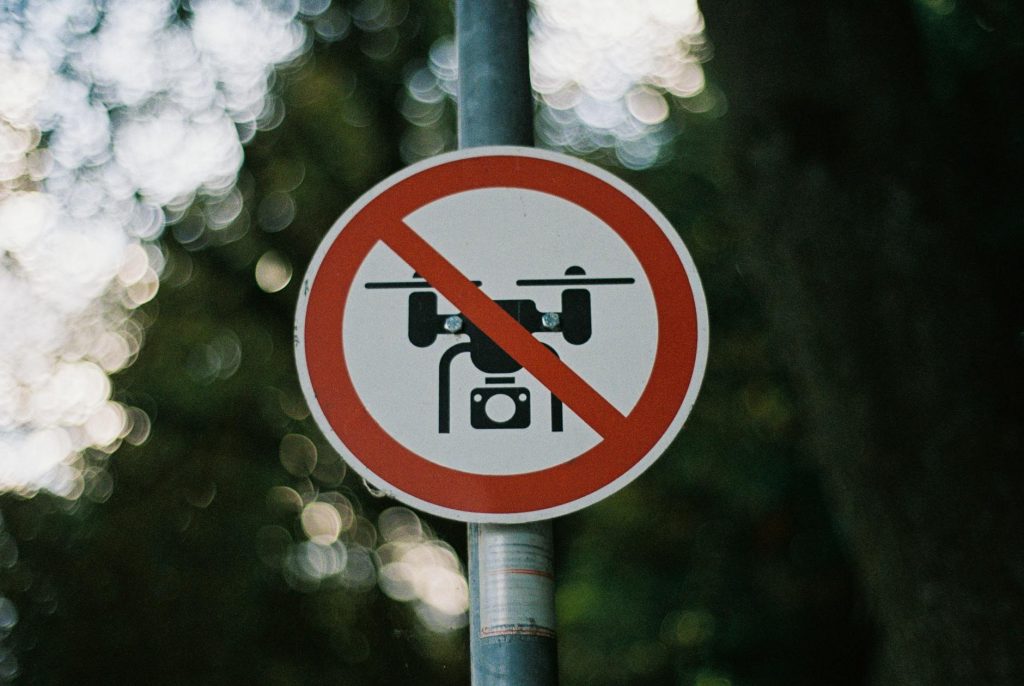
The FCC’s foreign drone ban targets specific manufacturers whose equipment is deemed a potential risk to U.S. communications infrastructure and national security. The ban primarily affects drones that operate on frequencies used for critical communications, including public safety networks and federal operations. By restricting the certification and operation of these devices, the FCC aims to prevent unauthorized surveillance, data interception, and potential interference with essential services.
This regulatory action stems from broader concerns about the vulnerability of U.S. airspace to foreign influence, particularly from countries with adversarial relationships. Drones equipped with advanced sensors and communication capabilities can inadvertently—or intentionally—collect sensitive data or disrupt secure networks. The FCC’s decision aligns with recommendations from U.S. intelligence and defense agencies, which have long warned about the risks posed by certain foreign-made drones.
Which Drones Are Affected?
The ban applies to drones manufactured by companies on the FCC’s Covered List, which includes several prominent Chinese manufacturers. These companies are identified due to their potential ties to foreign governments and the risk of their technology being used for espionage or cyberattacks. As a result, drones from these manufacturers can no longer be certified for use in the United States, and existing devices may face restrictions on operation in certain airspace or for specific purposes.
Operators using affected drones are encouraged to review the FCC’s guidelines and determine whether their equipment falls under the ban. In some cases, alternative models from non-covered manufacturers may be available, allowing for continued operations with minimal disruption.
Impact on Commercial and Recreational Users
For commercial drone operators, the FCC’s foreign drone ban presents both challenges and opportunities. Many businesses rely on drones for tasks such as surveying, inspection, and aerial photography. The sudden restriction on popular and cost-effective models has forced some companies to reassess their fleets and invest in compliant alternatives.
While this transition may involve upfront costs, it also drives innovation and supports the growth of domestic drone manufacturers. U.S.-based companies are stepping up to fill the gap, offering secure, high-performance drones that meet federal standards. This shift could strengthen the domestic drone industry and reduce reliance on foreign technology.
Recreational users are also affected, particularly those who own popular consumer models from banned manufacturers. While enforcement for hobbyist use may be more lenient in some cases, the FCC encourages all drone owners to comply with the new rules. Public awareness campaigns and educational resources are helping users understand their responsibilities and make informed decisions about their equipment.
Compliance and the Path Forward
Compliance with the FCC’s foreign drone ban requires proactive steps from all drone operators. The first step is identifying whether your drone is subject to the restrictions. The FCC provides detailed guidance and a searchable database to help users determine the status of their devices.
For those affected, options include upgrading to a compliant model, modifying operations to avoid restricted airspace, or, in some cases, applying for special authorization. The FCC is working with other federal agencies to streamline the transition and provide support to impacted users.
Looking ahead, the ban is expected to influence future drone policy and procurement practices. Government agencies, in particular, are likely to adopt stricter guidelines for drone purchases, prioritizing security and domestic sourcing. This could lead to increased investment in research and development, fostering a new generation of secure, reliable unmanned systems.
The Broader Implications for U.S. Technology Policy
The FCC’s foreign drone ban is more than just a regulatory update—it’s a signal of shifting priorities in U.S. technology policy. As the nation becomes increasingly aware of cybersecurity threats and supply chain vulnerabilities, similar actions may be taken in other sectors. From telecommunications to artificial intelligence, the emphasis on security and self-reliance is likely to grow.
This trend underscores the importance of innovation and resilience in the American technology sector. By supporting domestic manufacturers and enforcing robust security standards, the U.S. can maintain its technological edge while protecting its national interests.
In conclusion, the FCC’s foreign drone ban marks a pivotal moment in the evolution of drone regulation. While it presents challenges for users and manufacturers alike, it also opens the door to a more secure and sustainable future for unmanned aviation in the United States.

Comments are closed.